Second Week Learning Activities at Alma Karya Foundation: Enhancing Creativity, Motor Skills, and Social Development
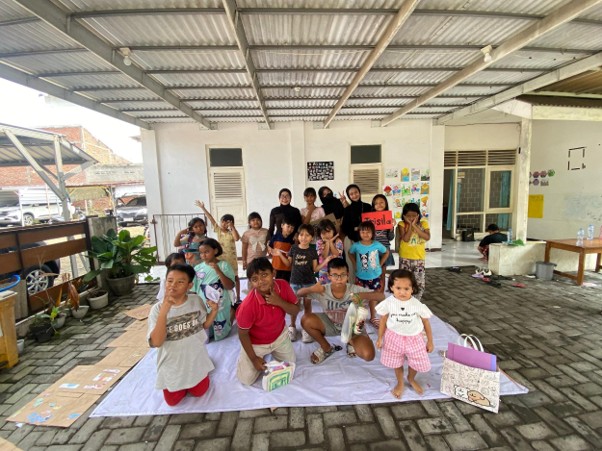
On Sunday, May 17, 2026, the second week of learning activities was successfully conducted at the Alma Karya Foundation. The program was attended by children ranging from early childhood education (PAUD) to elementary school level and was facilitated by Group 53 Batch 2 students from the Early Childhood Teacher Education Program (PG-PAUD) at Universitas Negeri Surabaya (UNESA).
This learning session was designed not only to strengthen the children's academic abilities but also to develop their motor skills, creativity, concentration, cooperation, and social skills. The activities began with an opening song led by the university students. The song was cheerful, engaging, and easy for the children to sing along with, helping to create a fun and positive learning atmosphere. After the singing session, the participants were divided into groups according to their age and learning level.
In the kindergarten class, the first activity involved completing a maze game. This activity was designed to improve concentration, focus, logical thinking, and simple problem-solving skills. The children were asked to find the correct path leading to the finish point in a prepared maze illustration. Throughout the activity, the facilitators provided guidance and encouragement to help the children remain confident while completing the task.
The next activity for the kindergarten group was creating artwork by attaching mung beans onto prepared pictures. This activity attracted the children’s interest because it allowed them to learn while expressing their creativity. In addition to strengthening fine motor skills, the activity also taught patience, attention to detail, and the ability to follow instructions. During the process, the children learned to share materials and tools with their classmates, providing valuable opportunities to develop social awareness, cooperation, and mutual respect.
Meanwhile, for the upper-level elementary school group, the main activity was basic sewing. Sewing was chosen because it offers numerous developmental benefits, particularly in improving focus, patience, precision, and fine motor coordination. At the beginning of the session, the facilitators explained the correct and safe sewing techniques. The participants were then given the opportunity to practice sewing under the guidance and supervision of the university students. Although some children initially faced difficulties, they remained enthusiastic and determined to learn until they successfully completed their projects. For many participants, this was their first experience with sewing, making it both an educational and enriching activity that broadened their skills and knowledge.
Toward the end of the program, the facilitators invited all participants to engage in a brief reflection session. The children were given the opportunity to share their feelings about the day’s activities and discuss which activity they enjoyed the most. This reflection encouraged self-expression and helped the facilitators understand the children's learning experiences. The session was followed by a review of the materials and activities that had been completed throughout the day.
The program concluded with a closing prayer and a documentation session. Overall, the activities were carried out successfully and provided meaningful learning experiences for all participants. Through various hands-on and interactive activities, the children were able to develop not only their academic abilities but also important life skills such as creativity, cooperation, patience, confidence, and social responsibility. It is hoped that these learning experiences will continue to support their overall growth and development in the future.
