Environmental Awareness Education Through Creative Activities and Waste Sorting at Pijar Asemrowo Unit
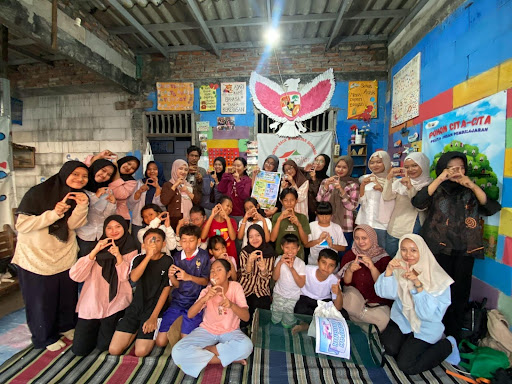
Students from Batch 1 and Batch 2 of Pijar Asemrowo Unit organized a project-based learning activity entitled “Environmental Awareness: Creativity and Waste Management” as an effort to instill environmental consciousness in children from an early age.
The series of activities began with a joint prayer as the opening of the event. Participants were then introduced to educational material regarding the importance of maintaining environmental cleanliness and understanding the basic types of waste, namely organic and inorganic waste. This introductory session served as preparation before the children participated in the practical activities.
As part of the collaborative project between Batch 1 and Batch 2 student volunteers, all participants took part in painting metal trash bins that had been prepared beforehand. This activity was designed to provide opportunities for children to develop their creativity while strengthening their understanding of the importance of keeping the environment clean by disposing of waste in designated bins.
After completing the painting session, the children participated in a waste-sorting activity based on different categories. Through hands-on practice, participants were encouraged to identify and classify various types of waste into organic and inorganic categories. This activity aimed to enhance the children's understanding of proper waste management while fostering greater environmental awareness and responsibility.
Throughout the program, the participants demonstrated high levels of enthusiasm and engagement. They actively participated in each stage of the activity and showed great interest in the learning experiences provided.
The program concluded with an evaluation and reflection session involving both the children and the mentors from Pijar Institution. During this session, key educational messages were reinforced, emphasizing the importance of maintaining environmental cleanliness and developing the habit of sorting waste from an early age. The event was then officially closed with a final prayer, marking the end of the entire series of activities.
Through this program, it is hoped that the children will apply the knowledge and skills they have gained in their daily lives, thereby developing positive habits that contribute to environmental cleanliness, sustainability, and responsible waste management.
