The Importance of Learning Outside the Classroom for Children
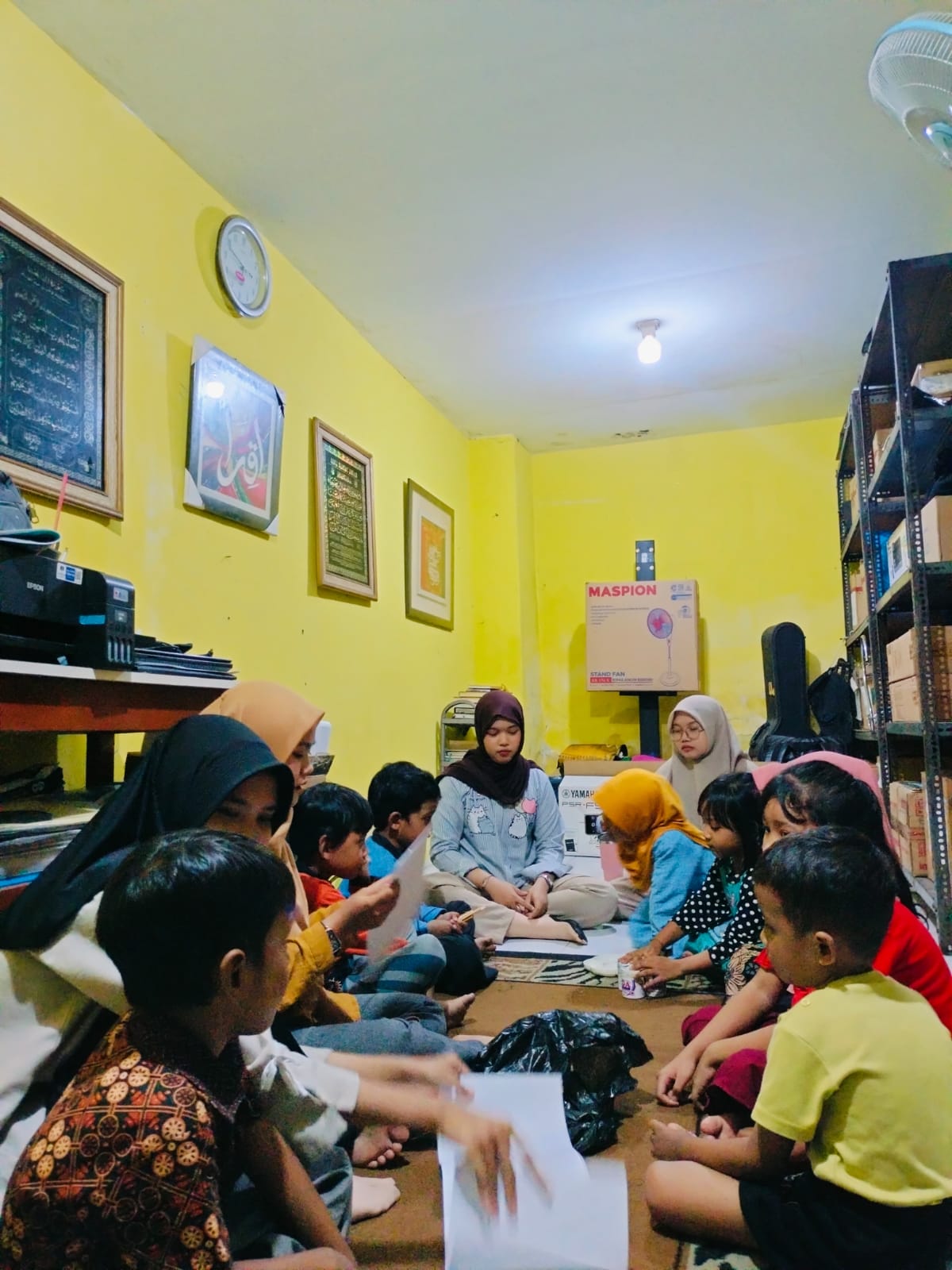
Learning does not only take place within the four walls of a classroom. For children, experiences outside of school provide valuable opportunities to explore the world in a more direct and meaningful way. Outdoor learning helps children connect what they learn in class to real-life situations, making knowledge more concrete and relevant. Whether through field trips, nature walks, community visits, or play-based exploration, learning beyond the classroom nurtures curiosity, creativity, and problem-solving skills.
One of the main benefits of learning outside school is the development of real-world understanding. When children observe nature, visit museums, or interact with community members, they gain experiences that cannot be fully captured through textbooks. These encounters allow them to see how knowledge is applied in everyday life from understanding how plants grow to learning about cultural diversity. Such experiences also help children build social and communication skills by engaging with peers, teachers, and people from different backgrounds.
Outdoor learning also supports physical and emotional development. Activities such as exploring a park, gardening, or playing educational games outdoors improve motor coordination, balance, and overall health. Being in open spaces reduces stress and increases children’s focus and happiness. Moreover, nature-based learning encourages mindfulness and appreciation of the environment, fostering a sense of responsibility toward nature from an early age.
Teachers and parents play essential roles in facilitating learning experiences beyond the classroom. Teachers can plan meaningful outdoor lessons that align with the curriculum — for example, observing insects to study science or counting natural objects to practice math. Meanwhile, parents can support by encouraging exploration at home or during family outings. Collaboration between school and home ensures that children receive consistent encouragement to learn from their surroundings.
In conclusion, learning outside the classroom is a vital part of children’s holistic education. It enriches academic understanding, strengthens character, and builds life skills that formal education alone cannot provide. By embracing outdoor and experiential learning, teachers and parents help children grow into active, curious, and well-rounded individuals who see the world itself as a place of endless learning.
AUTHOR: SSR
