Exploring the Human Respiratory System Through Hands-On Learning Activities at PIJAR Simokerto
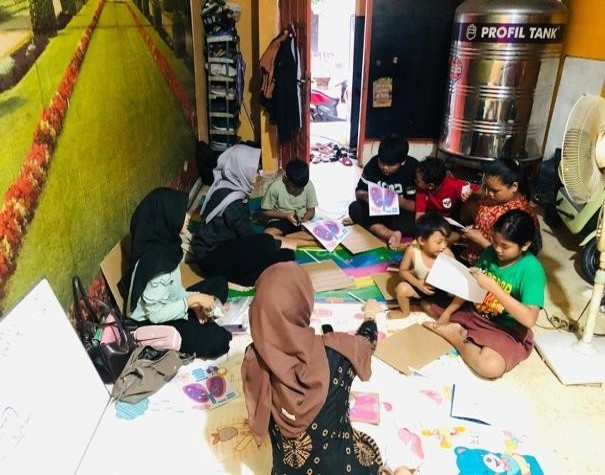
The third week of the community service program was conducted at the Pelita Insan Pembelajar (PIJAR) Foundation in Simokerto, Surabaya, with the theme of the Human Respiratory System. The activity aimed to introduce children to the organs involved in respiration and their functions through engaging and easy-to-understand learning methods.
The session began with a group prayer followed by an introductory discussion about the importance of breathing for human life. The university students then explained the main organs of the respiratory system, including the nose, throat, lungs, and diaphragm. The explanation was delivered using simple learning media to help participants understand the material more effectively.
During the practical session, the children created a model of the human respiratory system using plastic bottles and balloons. The university students guided the participants throughout the construction process and explained how the model represented the actual functioning of the respiratory system. Through this activity, the children were able to observe how the lungs expand and contract during the breathing process.
The participants showed great interest and enthusiasm throughout the hands-on activity. They actively asked questions, experimented with the models they had created, and discussed the functions of the respiratory organs. This activity not only enhanced their understanding of basic science concepts but also encouraged creativity and improved their skills in creating simple educational learning tools.
The program concluded with a presentation of the completed projects, a question-and-answer session, and a group documentation activity. Through this learning experience, it is expected that the participants gained a fundamental understanding of the human respiratory system and are able to apply the knowledge they acquired in their daily lives.
Overall, the activity was successfully implemented and provided a meaningful, interactive, and enjoyable science learning experience for the children.
