VOLUNTEER PROGRAM AT PELITA INSAN PEMBELAJAR (PIJAR) SIMOKERTO UNIT Batch 1 Group 9 - Second Meeting
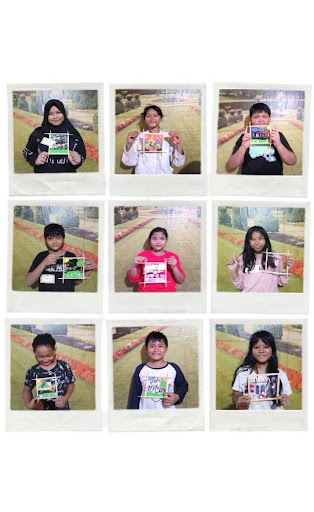
A creative activity in the form of making crafts using clay was held enthusiastically at PIJAR (Pelita Insan Belajar) in the afternoon. A total of nine children, ranging from 4th grade elementary school students to 9th grade junior high school students, participated in this activity. The event started at 3:30 PM and ended at 5:00 PM, creating a relaxed yet productive atmosphere. This activity became one form of non-formal learning aimed at developing children’s creativity and skills through artistic activities. With a free and pressure-free concept, participants were given the opportunity to express their ideas through various clay craft creations.
In this activity, participants were asked to create clay crafts in any form they desired. There was no specific theme assigned, allowing each child to explore their creativity independently. The resulting works were highly diverse, ranging from cute animals, miniature foods, flowers, to unique imaginative characters. The clay used had a soft and easy-to-shape texture, making it suitable for all participants, both beginners and those with prior experience. In addition, the variety of clay colors available made the creations more attractive and colorful.
The activity involved nine children from 4th grade elementary school to 9th grade junior high school. The age differences actually created a collaborative learning atmosphere. Older participants were seen helping younger children, while the younger ones learned by observing and imitating others.
In addition to the participants, facilitators were present to guide the activity. The facilitators provided basic instructions on clay modeling techniques, such as creating basic shapes, combining parts, and refining the final results. However, freedom of creativity remained the main focus of the activity.
This activity was held at PIJAR (Pelita Insan Belajar), a learning center designed to support children’s potential development through various educational and creative activities. The comfortable, clean, and conducive environment allowed participants to focus and work calmly. The room used for the activity had adequate lighting and was equipped with neatly arranged tables and chairs. Each participant had their own workspace, enabling them to concentrate on creating their crafts.
The activity took place in the afternoon, from 3:30 PM to 5:00 PM. This time was chosen because it was considered an ideal moment for children to engage in relaxing activities after finishing school. The duration of approximately one and a half hours was considered sufficient for participants to complete one or two simple creations. The children appeared able to make good use of their time to finish their works.
Making crafts from clay offers many benefits for children’s development. Besides stimulating creativity, this activity also helps improve fine motor skills, such as hand-eye coordination. In addition, the activity trains patience, accuracy, and problem-solving abilities. The children learned how to transform ideas into tangible forms and how to correct mistakes during the creative process.
This activity also served as an effective form of relaxation. With its relaxed and enjoyable atmosphere, children were able to relieve stress and express themselves freely without fear or pressure.
The event began with a brief opening by the facilitators, who explained the objectives and flow of the activity. After that, participants were introduced to the tools and materials that would be used. The facilitators then demonstrated basic clay-shaping techniques, such as making round and flat forms, along with other simple techniques. Following the introduction session, participants began creating their own works. The room quickly became filled with creative activity. Some children immediately started shaping clay based on their ideas, while others experimented with different forms before deciding on their final creations.
Throughout the process, facilitators actively moved around to assist participants who experienced difficulties. Warm interactions among participants were also evident, as they shared ideas and appreciated each other’s creations.
Toward the end of the activity, participants were asked to complete their works. This was followed by a short presentation session where each child proudly showcased their creations. The activity concluded with a brief reflection session about the experiences gained during the process. Most participants expressed that they enjoyed the activity very much and found it highly enjoyable.
